February 22, 2025
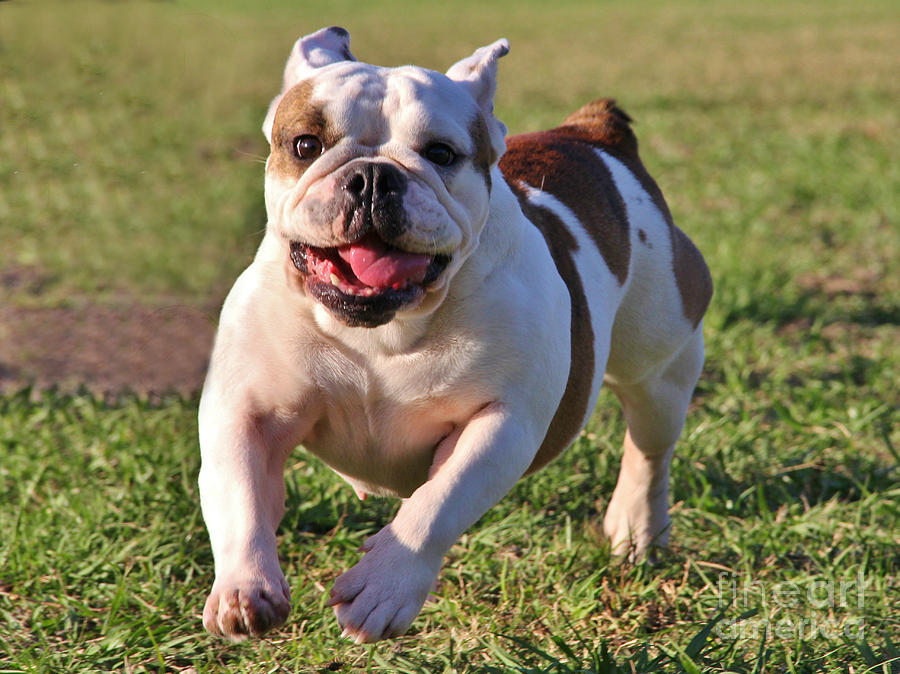
Bulldogs and Their Delusional Speed: The Sprint That Never Was If you’ve ever watched a bulldog play, you’ve probably noticed something utterly hilarious. they...


Eye injuries in pets happen more often than people realize it would. A branch on a walk, accidental rubbing against a tree, rough play, cage accessories, carpet rubbing or even grooming can cause a scratch on the eye, also known as a corneal abrasion.
Because eye injuries can worsen quickly if ignored for too long, knowing how to respond calmly and correctly can protect your pet’s comfort, and vision.
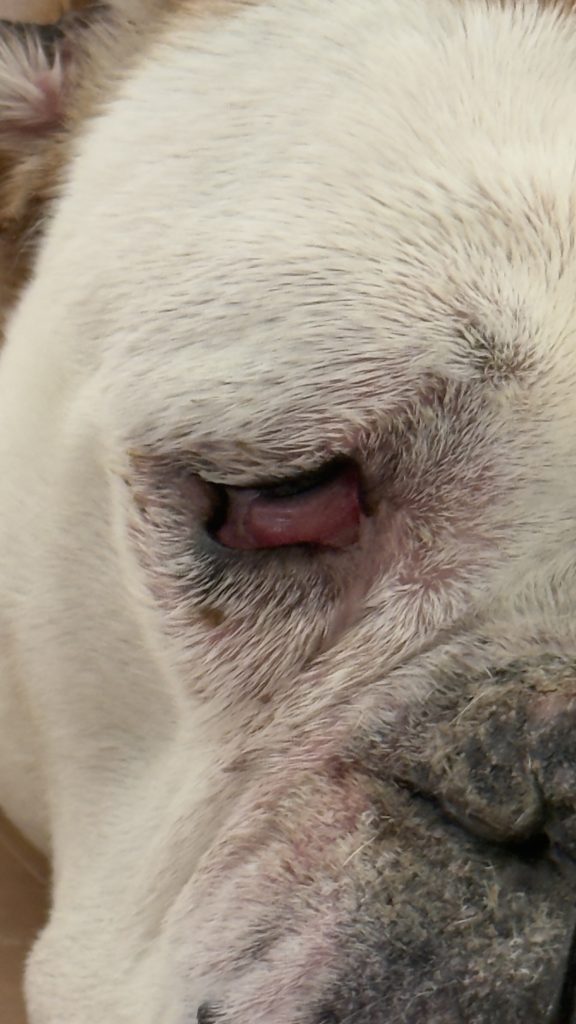
If your pet has injured their eye in any way, you may notice one or more of the following signs this has occurred. Even mild symptoms should be taken seriously.
Different species show discomfort differently when it comes to pain with their eyes, but eye pain is uncomfortable for all animals, regardless of size.
The first and most important step is stopping your pet from rubbing their eye.
This step alone can prevent further eye damage.
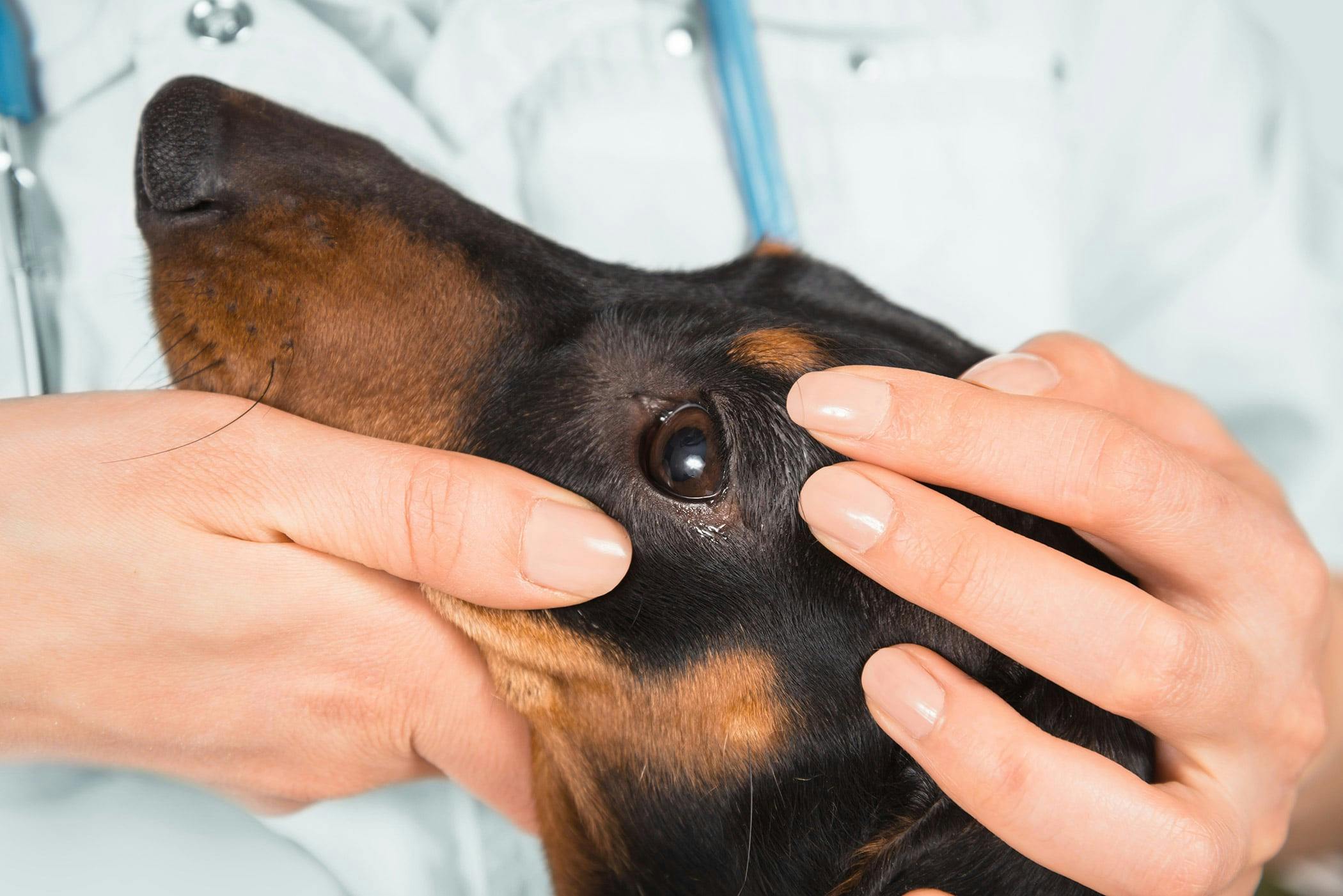
Take a careful look at the eye in a well-lit area.
Eyes are delicate and very sensitive, and handling them roughly can make injuries worse and cause severe pain to your pet
If you clearly saw dust, dirt, hay, or small debris enter the eye, a gentle rinse may help.
Never use human eye drops, contact solution, hydrogen peroxide, herbal products, or essential oils. These can seriously damage eye tissue and will kill the cells so they won’t be able to regrow.
Eye scratches often require prescription medication, even if they seem minor.
You should contact a veterinarian or a pet ophthalmologist promptly if:
Veterinarians and pet ophthalmologist, check the eyes and use special staining techniques, aswell as a camera or lense to detect corneal damage that cannot be seen with the naked eye. they’ll tell you it looks worse before it gets better, for some breeds they need to enlarge the scratch to get it to try and reheal over time, or do surgeries to get rid of dead cells that won’t let the eye heal which will irritate and make the wound hurt more, but this is apart of the healing process which is called a Debridement
If your veterinarian or pet ophthalmologist prescribes eye medication or other important essential medications for the healing process, proper use is essential or it won’t be effective for the healing process.
Many pets dislike eye drops and that’s normal not everyone likes something wet in their eyes, but short-term discomfort is far better than prolonged eye pain, surgeries or even eye removal.
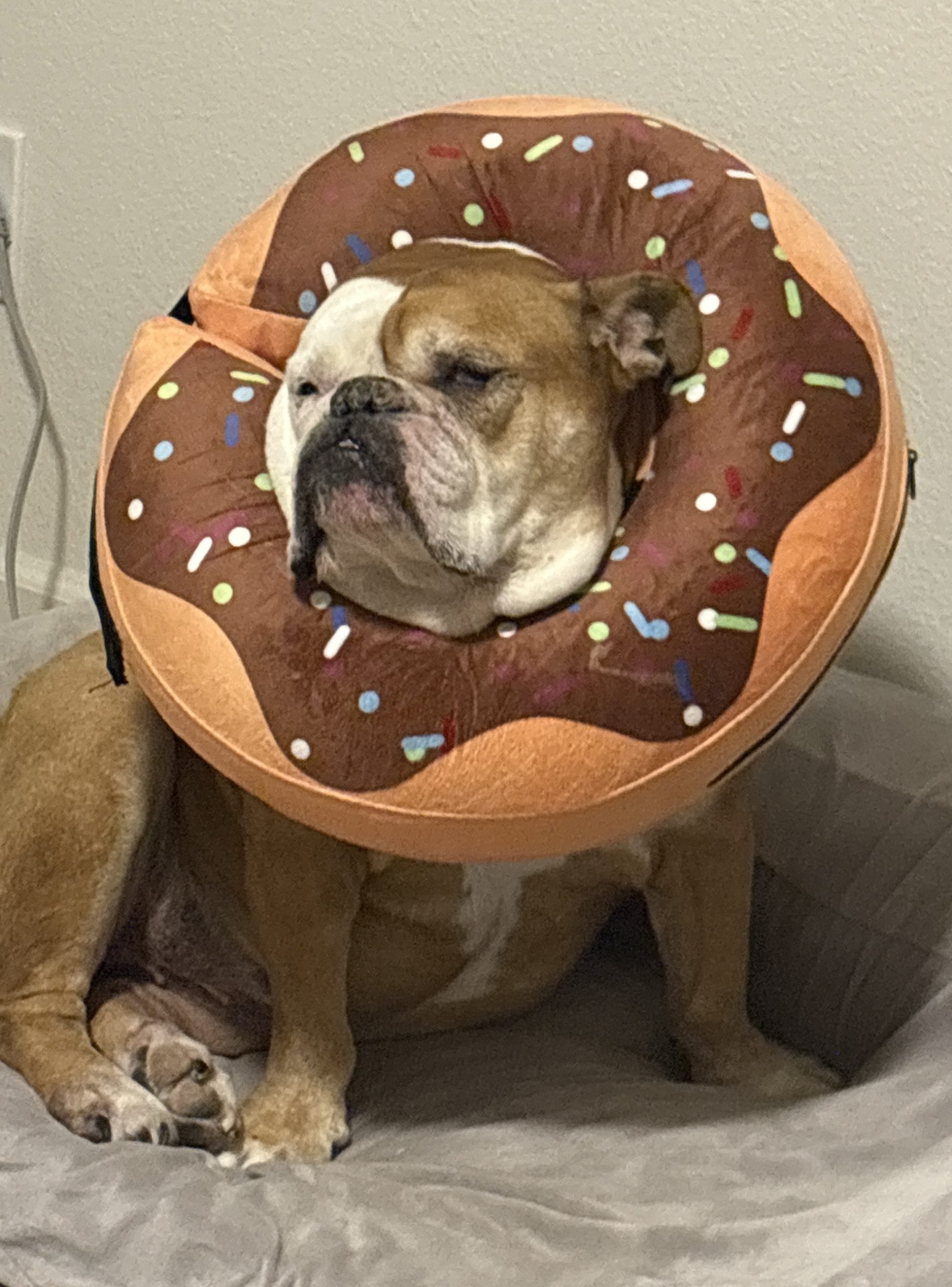
During recovery, minimizing irritation helps the eye heal faster and help your pet feel calm
Most eye injuries heal quickly with proper care when the eye is protected, sometimes further treatments are necessary.
Some very minor scratches may heal without treatment, but it is impossible to know which ones are minor without an eye evaluation.
Waiting too long can lead to infection, ulcers, or vision damage. When in doubt, it is always safer to have the eye checked than wait it out and it create an infection.
Caring for a pet with an eye injury can be stressful, especially when medication and monitoring are involved.
If your pet is squinting, rubbing their eye, or showing signs of discomfort, act early.
When it comes to eyes, quick action protects long-term health.

Bulldogs and Their Delusional Speed: The Sprint That Never Was If you’ve ever watched a bulldog play, you’ve probably noticed something utterly hilarious. they...

Care guide for taking care of Aquatic Pets: Important things You Need to Know There’s something interesting about aquatic animals. Whether it’s a vibrant...